


Spices & Ayurveda
SPICES
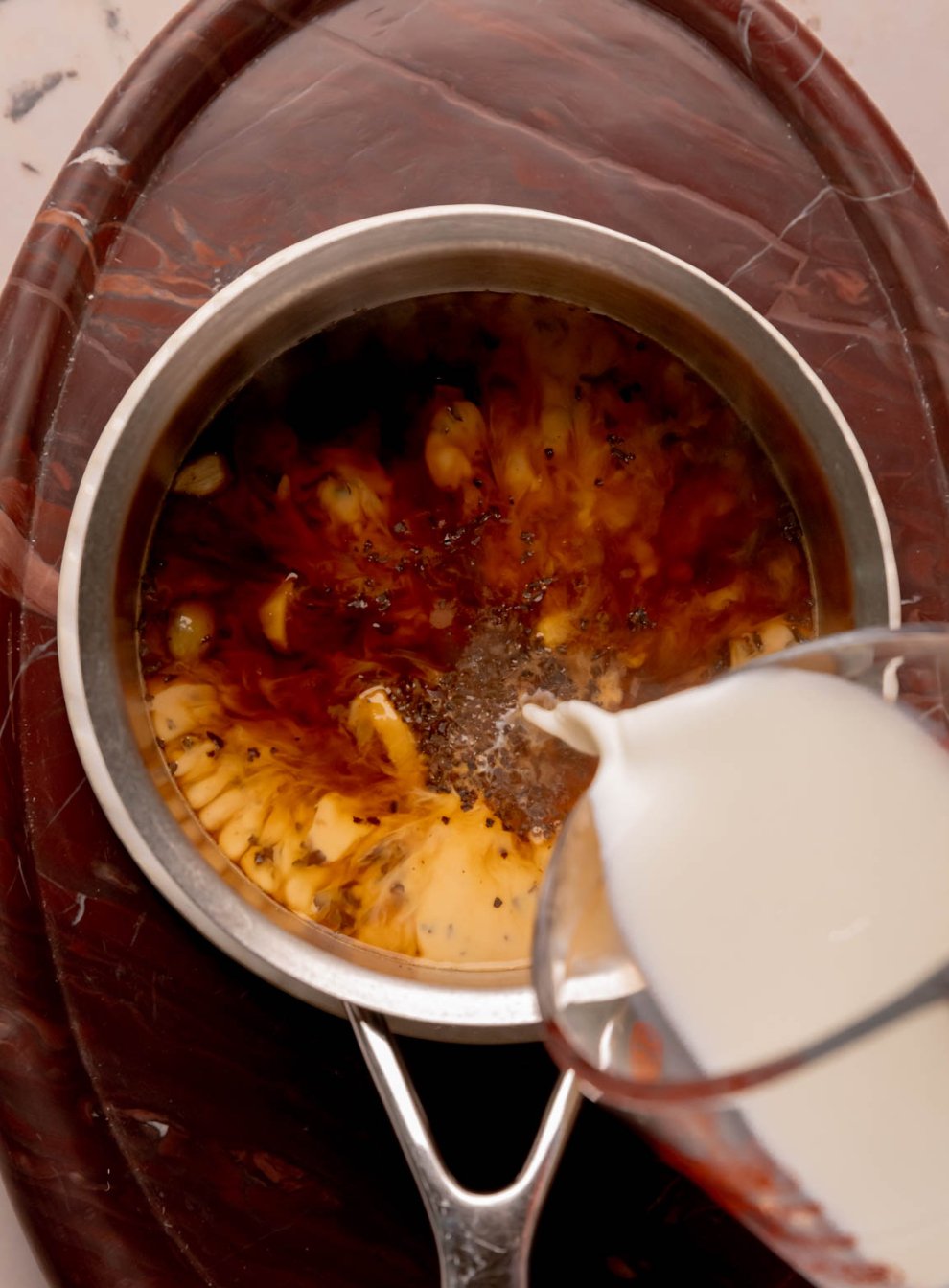
There is something intensely comforting about inhaling the aroma of spices as they boil in a pot of chai. Each spice is different, as is each spice blend, both in aroma and flavour. Add sugar to the brew and a blend of sweet and spice will waft in the air. Spices are the foundation of Indian cuisine and indeed, Indian drinks.
A key element of Ayurveda, the Indian system and scripture of wellness and medicine, is using herbs and spices to enhance digestion and to maintain balance in the body. Spices and herbs should be taken consistently and daily, as they work gradually, with benefits stacking up over time.
According to Ayurveda, digestion is central to good health. In fact, most diseases and imbalances in the body can be traced back to digestion. Ayurveda comes from two Sanskrit words: ‘Ayur’, meaning life, and ‘Veda’, meaning knowledge or scripture, and thus it translates to ‘knowledge of life’ or ‘scripture of life’. When the food we eat is not digested properly, the ama – the by-product or toxins of poor digestion and metabolism – builds up, blocking the flow of nutrients to different parts of the body and weakening the immune system.
Spices and herbs not only aid digestion, they also help remove accumulated ama. Adding spices to your chai, having them in hot water, and, above all, cooking with spices, are all great ways to use spices daily and feel the effects over time.
Cardamom can be warm and floral, ginger strong and spicy, cinnamon adds a gentle yet fiery sweetness, pepper is pungent and hot. Different combinations and permutations of spices can make a cup of chai taste entirely different. It seems there is a scientific reason for this. Professor Ganesh Bagler, who is now considered the pioneer of computational gastronomy in India and co-authored a study by the premier institute for higher studies in India, said, ‘Spices are the molecular fulcrum of Indian food.’
Indian cuisine is characterised by a unique contrasting pattern of food pairing. Combining ingredients with very different flavours in one recipe is what gives Indian cuisine a very distinct taste. Breaking down a collection of the late, celebrated Indian chef Tarla Dalal’s recipes, Bagler realised that spices form the basis of food-pairing in Indian cuisine. Having divided various foods into twenty-six categories – vegetables, dairy, lentils, meats, etc. – he saw that mixing up items across all other sections did not cause too much of a shift in flavour, but when the spices were shuffled, the taste changed entirely. And this therefore explains why using different spices and different spice blends can make one chai taste so different from another.
THE SCIENCE OF SPICE
How can one masala chai taste so different from another by simply using a different spice?